How the GAS Principle influences how we manage your investments

We often speak about the GAS principle with our clients, and it is pertinent in markets that are volatile, as we have seen this year with many international events impacting global markets.
Whatever is happening in the markets, whether it is with cash, property, share, fixed interest, commodities or any other sector, we always advise that you should only make investment decisions that fit with your goals and objectives. That is why you are investing in the first place- to achieve a goal. Short term movements, news and other noise should not necessarily drive your investment choices.
When it comes to making investment decisions, whether at establishment, or when you are re-aligning your existing portfolio to changing objectives, or for another reason, it is important to remember the GAS Principle.
GAS stands for Growth, Access, and Security.
The GAS principle states that you can only choose two of these when making financial decisions, which means there is an inherent tension and trade-off between these factors. We will provide more detail about each of these components and we state below there is not a absolute right or best composition, it is contingent upon what you need.
Growth - the focus of this component is maximising growth in the long term. If maximising returns is your most important objective you may focus on this. Decisions you make will be based on returns to grow your investment.
Access - if by contrast, it is more important to have access at any point in time this may influence how you manage your money. Access means your investment is liquid, a financial term (jargon) for meaning you can access your funds and withdraw freely without restriction.
Security – to provide security for an investment, to make sure it never goes down in value, you will make different decisions than if growth was your focus. Security may relate to market volatility, to the regulatory framework in which you assets exist, and potentially guarantees and other protections.
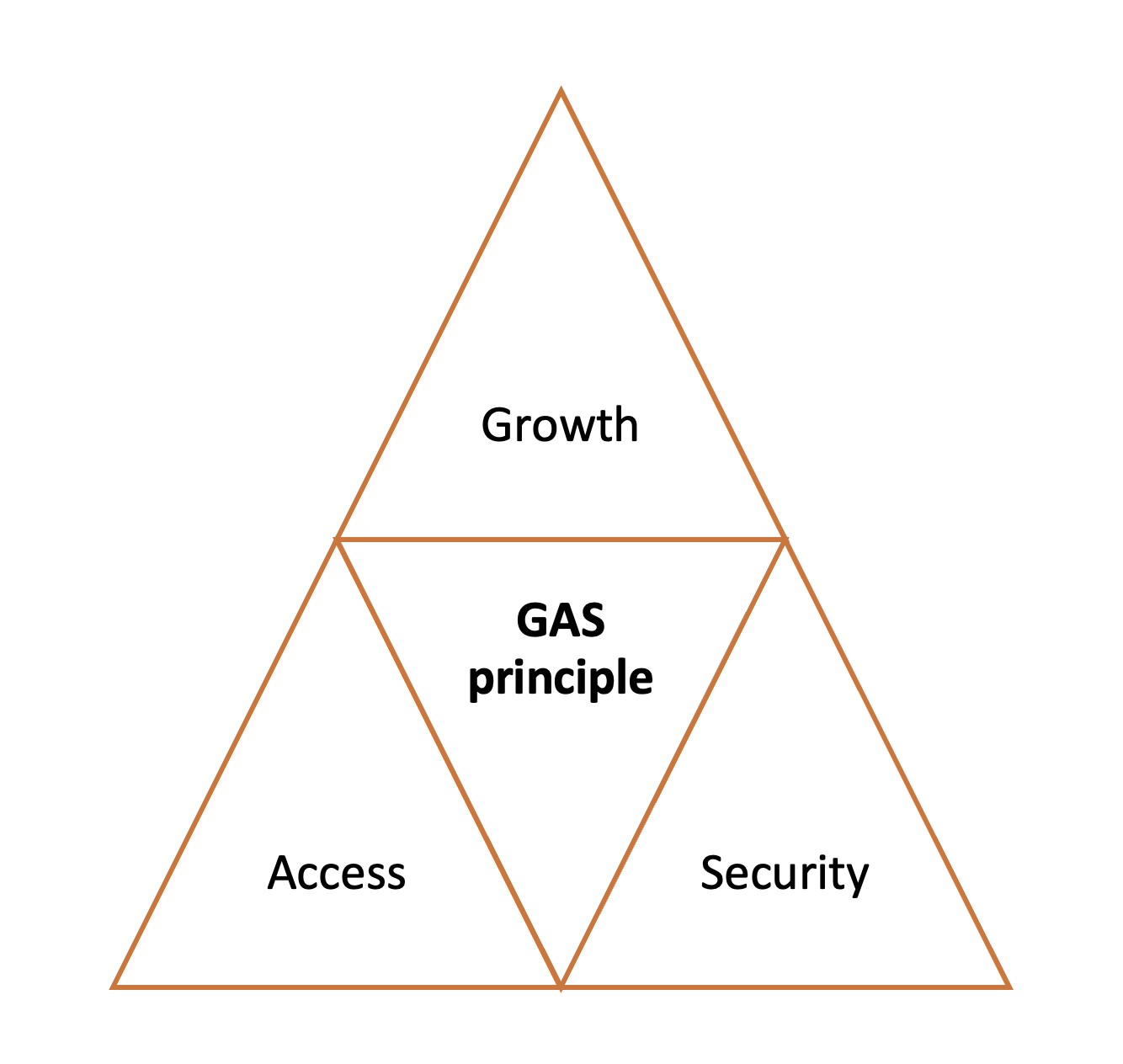
If growth is most important to you, will need to forgo either access or security. Growth comes with short term volatility that reduces over time. If you want to maintain the right to access your money whilst achieving optimal growth, you will have to give up the security against losses, that it may go down in the short-term.
Conversely if you don’t want to forego that security, you can invest for a longer term, and trade-off access. That is, you can have growth and security but to do so you give up the right to free access. A pension is a good example of this.
If you want security and access, then you will have to forego growth. The most familiar example of this is a bank account which we will expand on below.
Let’s look at some examples:
Cash in the bank - for the last decade or more it has been and continues to be difficult to get any return from money in the bank at call. Returns on offer by banks if above zero are still lower than inflation. That means, adjusted for inflation, you are not growing your wealth at all. But, in following the GAS principle, you are prioritising security (the security of the banks), and access (if your money is at call), and giving up higher growth. You could tweak this by taking on a fixed term deposit with your bank. Then you will give up access for the duration of the investment, for slightly higher growth.
Pensions - when you invest in pensions, you are making a long term investment. The government regulations of that country will define when and how you can access these funds in the future. You are therefore, giving up access, because access to your pension funds is low or non-existent. You will however have the security of pension regulations, and higher growth potential, because of the long term nature of the pension, and indirectly if there are tax-advantaged treatments to the pension.
Investment account – an investment account with a diversified portfolio, depending on your risk profile, will have a growth focus. You should also have ready access to your investment account should you need (*see comment below). Growth and access remain high. To trade this off, security is low. It is important to clarity that security is not non-existent, it is just lower. This is reflected by the absence of guarantees of returns and that investments can go up or down in the short term.
*As a side note if you have an investment focused on growth and with low security, you should have access. Some investments may have access limitations, or penalties/ exit fees for access and we recommend if this sounds like your investments, that you seek advice on how to manage for the long term.
When it comes to your investments, always place your objectives, what you are trying to achieve, at the centre of the analysis, and when considering what options to take, ask yourself what is most important in the growth – access - security triumvirate, and remember you can only pick two!